
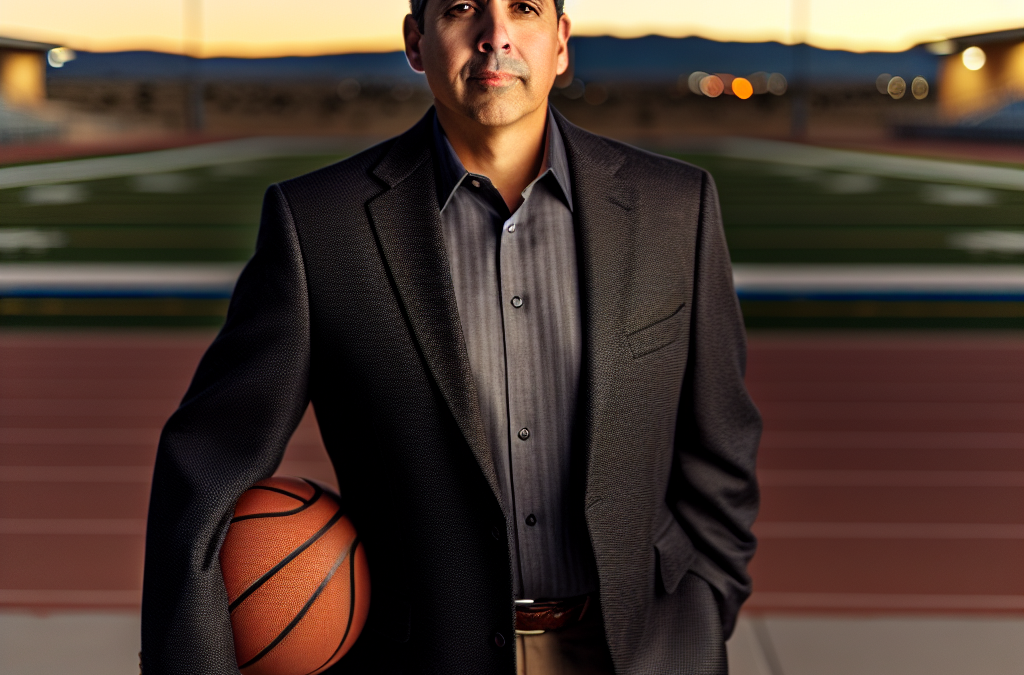
Motivation That Moves: What Sports Teach Us About Showing Up in Business and Life
Motivation can feel like a spark—bright, sudden, and powerful. But anyone who has trained for a season, built a company, or committed to a long-term goal knows the truth: real motivation is less about the spark and more about the system that keeps you going when the excitement fades.
In the Fruita and Grand Junction community, sports are more than weekend entertainment. They’re a shared language of grit, teamwork, resilience, and personal growth. Whether you’re cheering from the stands or lacing up your own shoes, athletics offer a blueprint for sustainable momentum—one that translates directly into leadership, habits, and confidence.
The Sports Mindset: Start With Discipline, Not Mood
Athletes don’t wait until they “feel like it” to practice fundamentals. They commit to repetition. That principle is just as valuable in entrepreneurship and professional leadership: the most consistent results come from consistent actions.
In practical terms, discipline can look like:
- Scheduling training time—for your craft, your business, or your personal development.
- Building routines that remove decision fatigue (same time, same place, same focus).
- Tracking progress so effort becomes visible and measurable.
This is where motivation becomes dependable. When discipline sets the pace, inspiration becomes a bonus—not the fuel.
Resilience Training: Learning to Lose Without Quitting
Every athlete knows setbacks. Bad games. Injuries. Slumps. The people who keep improving are the ones who treat those moments as information, not identity. That’s the core of resilience training: learning to recover quickly while staying committed to growth.
In business, setbacks might look like missed targets, lost deals, or unexpected changes in the market. In personal growth, it might be inconsistency, self-doubt, or burnout. The lesson from sports remains the same: you don’t need a perfect week to keep moving forward—you need a return plan.
A helpful approach is to separate outcomes from effort:
- Outcome: the score, the revenue, the win.
- Effort: preparation, focus, skill-building, communication.
You can’t always control outcomes, but you can always refine effort. That’s how confidence becomes earned instead of fragile.
Teamwork and Leadership: The Quiet Work That Creates Big Wins
Sports make one leadership truth obvious: no one succeeds alone. Even individual sports rely on support—coaches, training partners, mentors, and family. The same is true in any thriving organization. Strong teams are built with trust, clarity, and shared standards.
In a competitive world, it’s tempting to believe leadership means doing more than everyone else. But effective leadership is often the opposite: it’s the ability to align people, communicate expectations, and create a culture where others can perform at their best.
In Western Colorado, where relationships and reputation matter, leadership sometimes comes down to simple things done well:
- Being consistent when it would be easier to be reactive.
- Listening first to understand what your team needs to succeed.
- Holding standards without creating fear.
If you want a community-first example of how local values connect to high performance, explore community involvement in Grand Junction and how service can reinforce a leadership mindset.
Goal Setting That Actually Works: Train the Process, Not Just the Dream
Big goals are important—they light the path. But most people struggle because they set goals without building the system to reach them. Athletes tend to do this better because training demands structure: drills, reps, recovery, and feedback.
Try using a simple “sports-style” method for goal setting:
- Choose a clear target (example: improve performance, boost consistency, hit a milestone).
- Define weekly actions that move the target (example: three skill sessions, two strength sessions, one review).
- Track one metric that reflects progress (example: time, frequency, quality score, completion rate).
- Review and adjust every 7 days—no drama, just data.
This approach helps create sustainable motivation because progress becomes tangible. If you’re looking for ideas on building an everyday performance mindset, you may also like mindset and performance habits that translate across work, fitness, and family life.
Inspiration Is Real—But It Needs a Container
Inspiration often shows up when you see what’s possible—someone breaking through, a comeback story, a teammate pushing past a limit. For many people, that’s where the passion for sports becomes fuel for the rest of life.
But inspiration without structure can become frustration. The key is to give inspiration a container: routines, support systems, and realistic expectations. If you’ve ever started strong and faded later, you’re not alone. That’s not a character flaw—that’s a strategy problem.
One of the most practical ways to sustain motivation is to create accountability. That could mean a coach, a mentor, a group, or even a simple weekly check-in. Research-backed guidance on building effective habits and systems can also be found through authoritative resources like the American Psychological Association’s overview of habits.
Keeping It Local: Motivation That Strengthens the Fruita–Grand Junction Community
What makes the Fruita and Grand Junction areas special is the way people show up—for games, for local schools, for youth programs, and for each other. That community energy matters. It’s part of how confidence grows in young athletes and how adults stay connected to healthy goals.
Cory Thompson has often highlighted the value of motivation and sports as tools for building character, and that message resonates because it’s practical: athletics teach you to prepare, to respond under pressure, and to stay committed even when the result isn’t guaranteed.
Bring the Locker-Room Lessons Into Your Week
If you want to feel more motivated, don’t wait for the perfect mood. Borrow a page from sports: commit to a plan, measure the work, and keep showing up. Over time, that builds something more powerful than fleeting motivation—it builds identity. You become the kind of person who follows through.
Soft next step: If you’re looking for more local stories and practical reminders around leadership, inspiration, and performance, take a few minutes to explore Cory’s site and see what resonates with your goals this season.